| Sign In | Join Free | My infospaceinc.com |
|
| Sign In | Join Free | My infospaceinc.com |
|
| Categories | Printing Equipment |
|---|---|
| Price: | 5000-20000USD/Set |
| Origin: | ChangSha |
| Delivery Time: | 15-30 work days |
| Packaging Details: | wooden box |
| MOQ: | 1Set |
| Trademark: | Weiboma & Duote |
| Payment Terms: | T/T |
| Company Info. |
| Hunan Jingwangdian Technic & Trade Company |
| Verified Supplier |
| View Contact Details |
| Product List |
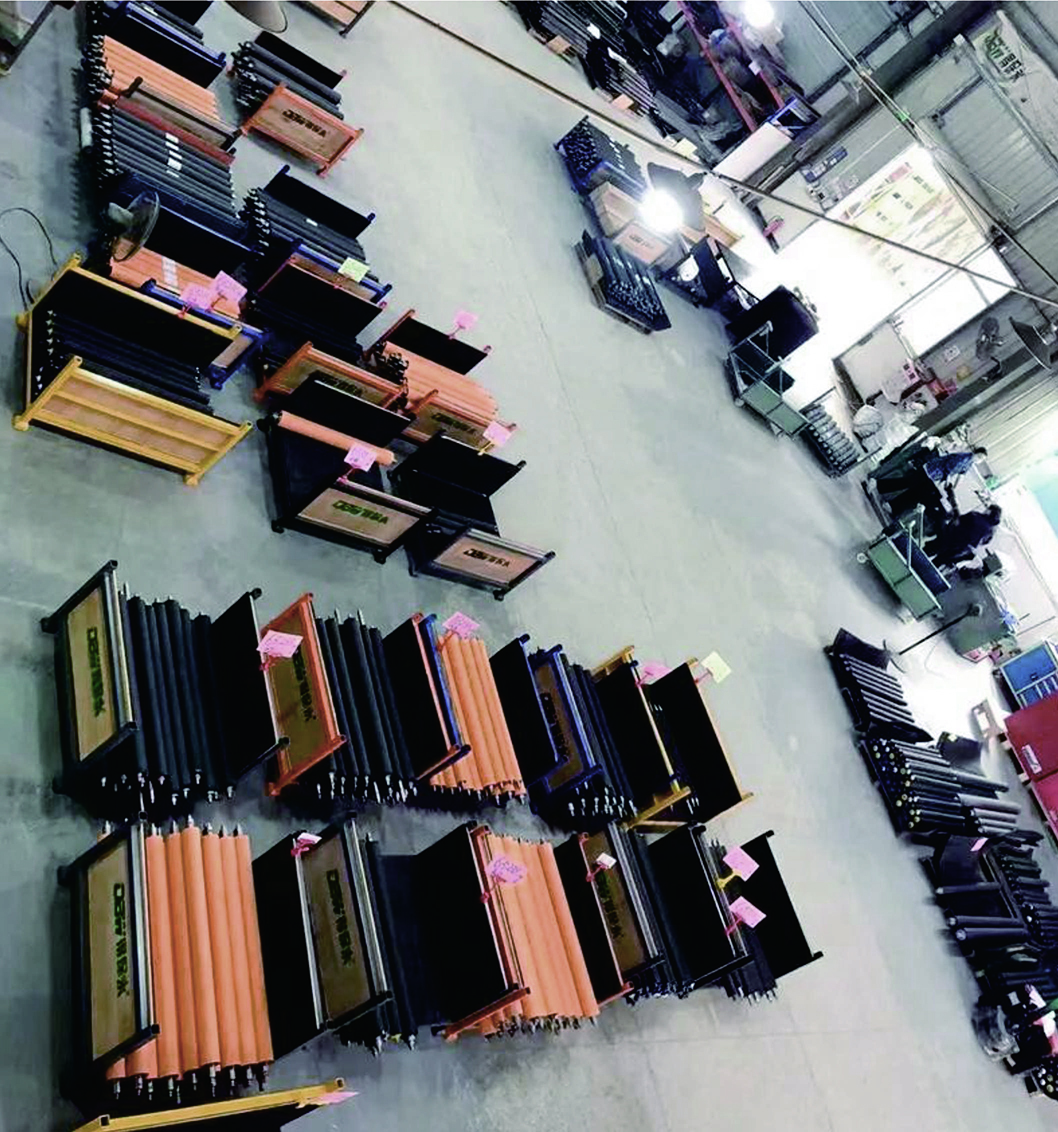
Printing Rubber Rollers
Printing rubber rollers are core transmission components of
printing presses, mainly including ink rollers, dampening rollers,
ink distributing rollers, form rollers, coating rollers, etc. Made
of high-quality elastic materials such as rubber, EPDM, nitrile
rubber and silicone, they are processed through precision rubber
covering, vulcanization and fine grinding. Used for uniform water
transfer, ink transfer, coating and glazing, they ensure stable ink
transfer, clear dots and consistent colors. Widely applied to
offset printing, flexo printing, gravure printing, coating and
laminating equipment, they feature ink resistance, solvent
resistance, high temperature resistance, high elasticity, wear
resistance and anti-aging properties, being key consumables to
ensure printing quality.
Anilox Rollers
Anilox rollers are precision metering and ink transfer components
for flexo printing, gravure printing and coating equipment. The
roller surface is laser-engraved to form fine cells, which are used
to accurately control ink volume and achieve uniform inking.
Divided into metal anilox rollers and ceramic anilox rollers,
ceramic anilox rollers have high hardness, wear resistance,
corrosion resistance and long service life. Widely used in
flexographic printing, adhesive label printing, carton
pre-printing, coating and glazing, they enable high-screen and
high-definition printing, ensuring uniform colors, full solid areas
and precise dot reproduction.
1.Core Features of Printing Rubber Rollers
• Uniform and Stable Ink & Water Transfer: Moderate elasticity and high surface finish ensure uniform
distribution of ink and water, eliminating ink bars and water
marks.
• Strong Resistance to Ink, Solvents and Chemicals: Compatible with ordinary ink, UV ink, water-based ink and
solvent-based ink, not easy to swell or crack.
• Good High Elasticity and Resilience: No deformation under pressure, no eccentricity or vibration during
long-term use, ensuring uniform pressure.
• Wear Resistance, Anti-Aging and Long Service Life: High-quality rubber materials combined with high-temperature
vulcanization, wear-resistant and not easy to crack, reducing
replacement frequency.
• High-Precision Processing: Strict control of coaxiality, circular runout and surface
roughness, suitable for high-speed printing presses.
• Customizable and Refurbishable: Supports customization of different diameters, lengths, hardness
and rubber types; old rollers can be re-covered to reduce costs.
2.Core Features of Anilox Rollers
• Precision Ink Volume Control: Precise cell depth and opening ratio, high ink transfer rate and
uniform ink layer.
• High-Precision Laser Engraving: Clear texture and consistent cells, supporting high-screen
printing and restoring fine patterns and text.
• Excellent Ceramic Coating Performance: High hardness, wear resistance, corrosion resistance and anti-ink
adhesion, suitable for high-speed and long-term production.
• Wide Application Range: Applicable to various media such as water-based ink, solvent ink,
UV ink, varnish and glue.
• Easy to Clean, Not Easy to Clog: Dense and smooth surface, easy to clean, reducing problems such as
clogging and poor inking.
• Compatible with High-Speed Printing: Stable rotation and fast inking, meeting the use requirements of
high-speed flexo printing presses and coating machines.
How to choose:
1.How to Choose Printing Rubber Rollers
• Select According to Printing Press Model: Choose dampening roller
+ ink roller sets for offset printing; choose coating rollers and
ink transfer rollers for flexo/gravure printing; choose special UV
rubber rollers for UV machines.
• Select Rubber Material According to Ink Type:
- Ordinary ink: Nitrile rubber (NBR)
- Water-based ink / dampening rollers: EPDM
- UV ink: Special UV solvent-resistant rubber
- High-temperature coating: Silicone rollers
• Select According to Hardness Requirements: Dampening rollers:
generally 20–35 Shore A; Ink rollers: generally 35–60 Shore A;
Coating rollers: relatively hard, 60–80 Shore A.
• Check Dimensional Accuracy: Circular runout, coaxiality and
finish must meet standards, otherwise ink bars and ghosting are
prone to occur.
• Check Wear Resistance and Anti-Aging Properties: Prioritize
vulcanization processes from major manufacturers to avoid rapid
wear and deformation.
2. How to Choose Anilox Rollers
•Select Screen Count According to Printing Precision:
- Carton / rough printing: 200–400 lpi
- Adhesive labels / tags: 400–700 lpi
- High-precision picture albums: 700–1200 lpi
• Select Material According to Ink Type:
- Ordinary water-based ink / solvent ink: Metal anilox rollers
- High-speed, wear-resistant, long service life: Ceramic anilox
rollers
- UV ink: Ceramic anilox rollers are a must
• Select Cell Volume (BCM) According to Ink Layer Thickness: Large
solid areas → high BCM; Fine dots and text → low BCM.
• Check Processing Technology: Prioritize laser engraving +
precision polishing for uniform cells without burrs.
How to use:
Usage Specifications for Printing Rubber Rollers
1. Clean the release agent on the surface of new machines/new
rubber rollers before mounting on the press.
2. Adjust the pressure to be uniform and moderate, not too tight,
to avoid rubber roller deformation.
3. Release the pressure when the machine is shut down for a long
time to prevent permanent deformation.
4. Clean with special cleaning agent every day to avoid ink drying
and hardening.
5. Avoid direct sunlight, high temperature and grease pollution.
6. Replace or refurbish immediately if surface cracking, peeling or
vibration is found.
Usage Specifications for Anilox Rollers
1. Check whether the cells are clogged or damaged before mounting
on the press.
2. Adjust the doctor blade pressure to be moderate to avoid
scratching the ceramic layer.
3. Clean immediately after printing to prevent ink from drying and
clogging the cells.
4. It is better to use special anilox roller cleaning agent +
ultrasonic cleaning.
5. Avoid bumping and scratching the roller surface.
6. Regularly check the cell depth and replace in time if wear
exceeds the standard.






Q1: Uneven inking on rubber rollers and appearance of ink bars
Uneven pressure, eccentric rubber rollers, surface aging or unclean
cleaning; readjust the pressure, grind or replace the rubber
rollers.
Q2: Swelling, deformation and ink adhesion of rubber rollers
Mismatch between rubber material and ink/solvent; replace with
solvent-resistant rubber rollers or adjust the cleaning agent
Q3: Unstable water supply of dampening rollers, too much or too
little water on the plate surface
Inappropriate dampening roller hardness, rough surface or improper
pressure; replace the dampening rollers or re-grind them.
Q4: Surface cracking, chipping and degumming of rubber rollers
Aging, high temperature or chemical corrosion; re-cover the rubber
or replace the rollers.
Q5: Cell clogging, insufficient inking and lightening of color
Dried and hardened ink clogs the cells; clean with ultrasonic
immediately and strengthen daily cleaning.
Q6: Mottled and uneven solid printing
Mismatched anilox roller screen count, too low BCM or uneven doctor
blade; replace with a suitable anilox roller or adjust the doctor
blade.
Q7: Fast wear and short service life of anilox rollers
Use of inferior ink, excessive doctor blade pressure or improper
cleaning; switch to ceramic anilox rollers and standardize
operation.
Q8: Stripes and ghosting in flexo printing
Damaged cells, uneven engraving or roller surface vibration; test
the precision of the anilox roller and replace it if necessary.

|
 Intelligent CTP Plate Making Machine High Definition
The Offset CTP Plate Making Machine Digital Plate Making Equipment Automatic
Stable Structure Paper Pile Turner Paper Stack Flipper Easy Maintenance
Rapid LED UV Curing Equipment UV LED Light Curing Machine Intelligent Control
Automated Offset Printing Press Blanket Cleaning Machine Stable
Plate Free Digital Printing Machine Quick Digital Printing Equipment
Automatic Anilox Roller Cleaning Machine Ultrasonic Anilox Cleaning Machine Energy Saving
Reliable Condition Used Printing Equipment Used Offset Printing Press High Performance
Fully Automatic PS Plate Processor Machine CTP Plate Processor High Efficiency
High Precision AI Paper Counting Machine Intelligent Paper Counting Equipment
Intelligent CTP Plate Making Machine High Definition
The Offset CTP Plate Making Machine Digital Plate Making Equipment Automatic
Stable Structure Paper Pile Turner Paper Stack Flipper Easy Maintenance
Rapid LED UV Curing Equipment UV LED Light Curing Machine Intelligent Control
Automated Offset Printing Press Blanket Cleaning Machine Stable
Plate Free Digital Printing Machine Quick Digital Printing Equipment
Automatic Anilox Roller Cleaning Machine Ultrasonic Anilox Cleaning Machine Energy Saving
Reliable Condition Used Printing Equipment Used Offset Printing Press High Performance
Fully Automatic PS Plate Processor Machine CTP Plate Processor High Efficiency
High Precision AI Paper Counting Machine Intelligent Paper Counting Equipment

