| Sign In | Join Free | My infospaceinc.com |
|
| Sign In | Join Free | My infospaceinc.com |
|
| Categories | Plastic Washing Recycling Machine |
|---|---|
| Machine capacity: | 500-3000kg per hour |
| Dimension: | according to model |
| Motor: | Dazhong |
| Hot washing temperature: | 70°C - 95°C |
| Processing material: | PET bottles |
| Material: | Stainless Steel 304 |
| Brand Name: | PR-PULIER |
| Model Number: | PET2000 |
| Certification: | CE |
| Place of Origin: | China |
| MOQ: | 1 set |
| Price: | USD200000-400000 |
| Payment Terms: | L/C,T/T |
| Supply Ability: | 10 sets per year |
| Delivery Time: | 10 weeks |
| Packaging Details: | Ocean transportation and land transportation |
| Company Info. |
| Chengdu Purui Polymer Engineering Co., Ltd. |
| Verified Supplier |
| View Contact Details |
| Product List |
Description of final product | 1. Moisture: ≤0.9% 2.IV: our line doesn’t change the Intrinsic viscosity 3. Bulk density: 0.3G/CM3 4 Total impurity : ≤50ppm l Metal content: ≤10ppm l PE/PP content: ≤7ppm l Paper: ≤5ppm l glue/hot melt: ≤7ppm l organic and in-organic : ≤5ppm l PVC : ≤30ppm 5. Flakes size: 12-14mm |

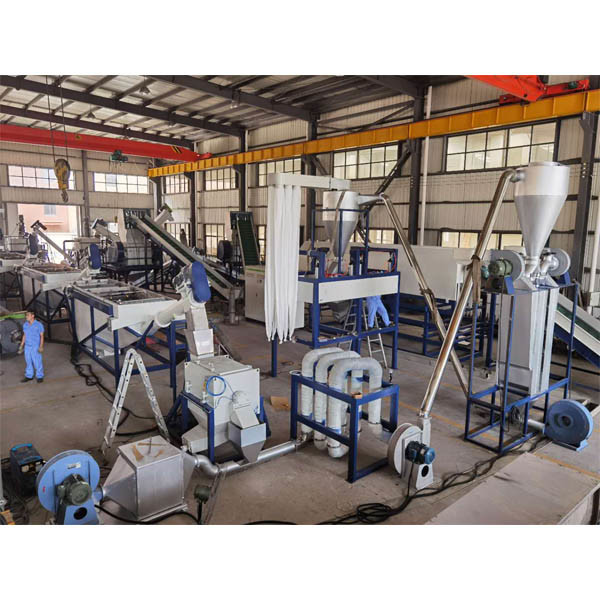

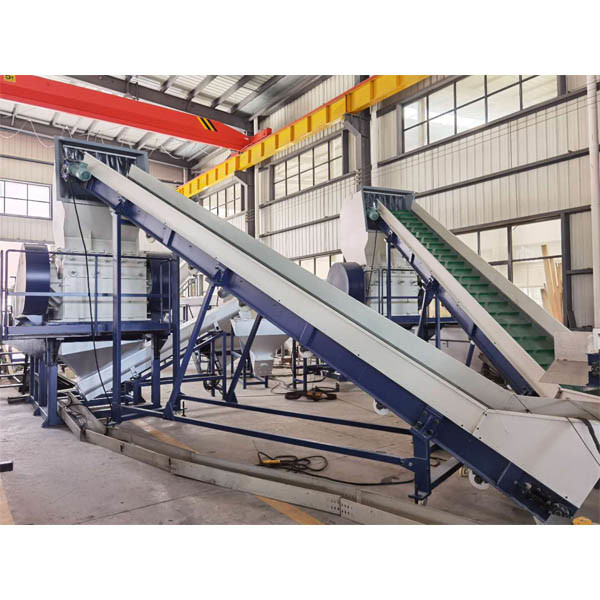
1. Removal of Stubborn Organic Matter and Adhesives
Target Contaminants: Primarily addresses label adhesive
(pressure-sensitive adhesive), grease, sugars, residual beverages,
etc., that remain on the PET flakes after processes like crushing,
friction washing, and cold washing.
Working Principle:Utilizes thermal energy (typically heating the
washing medium to 70°C - 95°C) to reduce the viscosity of these
organic pollutants, causing them to soften, dissolve, or emulsify,
thereby making them easier to detach from the PET flake surfaces.
2. Loosening and Removal of Embedded Labels and Impurities
In hot water, shrink sleeves (e.g., PE film) relax due to the heat,
facilitating easier separation from the PET flakes.
Stubborn impurities embedded in cap threads or creases of the
bottle body also become easier to wash out under the thermal
effect.
3. Enhancement of Flake Whiteness and Luster
Hot washing effectively removes fine stains and oxidation layers
adhering to the flake surfaces, significantly improving the visual
whiteness and sense of purity of the recycled PET flakes. This is
crucial for subsequent use in producing light-colored or
transparent products.
4. Improvement of the Final Product's Intrinsic Viscosity (IV)
This is a key chemical function of hot washing. PET is prone to
hydrolytic degradation at high temperatures, leading to a decrease
in its Intrinsic Viscosity (IV value), which affects performance in
spinning or bottle blowing.
The hot wash tank rapidly removes the surface layer of degraded,
low-IV PET from the flakes, exposing the higher-quality, higher-IV
PET within. This stabilizes and enhances the average IV value of
the final rPET pellets.
5. Preparation for the Next Stage: "Friction Washing" or
"Float-Sink Separation"
After hot washing and chemical action, contaminants are loosened
from the PET surface. Subsequent mechanical action through
intensive friction washing, or the use of hot water float-sink
separation (where density differences between materials are more
pronounced in hot water), then thoroughly separates the dislodged
impurities (such as PE/PP cap fragments).

6. Process Synergy (Often Combined with Chemicals)
The hot wash tank typically has specialized cleaning agents (e.g.,
alkaline solutions) added. The synergistic effect of Heat and
Chemistry greatly improves cleaning efficiency, achieving better
results in a shorter time.


|
 Plastic Washing Recycling Machine Crusher Providing Cleaning and Recycling of Plastic Films and Waste for Industrial Applications
Customized Agricultural Film Recycling Machine 1500kg/Hr Waste Film Recycling Line NSK
PP HDPE Plastic Washing Recycling Machine / Milk Bottle Recycling Washing Machines
HDPE Bottle Washing Recycling Line with 500-3000kg/h Capacity 98% Washing Efficiency and Customized Design
PP PE Film Washing Line | Plastic Film Recycling Washing Plant Manufacturer 1000-1500 kg per hour
Plastic Film Squeezer Dryer with 90kw/110kW Motor Power for PP PE Soft Materials and 4.5Tons Weight
PP PE Pulverizer granulator machine
Fully Automated EPS Washing Line with 500kg per hour Capacity and Hot Washing System
2000kg/S Plastic Film Washing Machine Grad 95 / 98 Ldpe Film Recycling Line
2000kg/Hr Pe Film Plastic Washing Recycling Machine Customerized
Plastic Washing Recycling Machine Crusher Providing Cleaning and Recycling of Plastic Films and Waste for Industrial Applications
Customized Agricultural Film Recycling Machine 1500kg/Hr Waste Film Recycling Line NSK
PP HDPE Plastic Washing Recycling Machine / Milk Bottle Recycling Washing Machines
HDPE Bottle Washing Recycling Line with 500-3000kg/h Capacity 98% Washing Efficiency and Customized Design
PP PE Film Washing Line | Plastic Film Recycling Washing Plant Manufacturer 1000-1500 kg per hour
Plastic Film Squeezer Dryer with 90kw/110kW Motor Power for PP PE Soft Materials and 4.5Tons Weight
PP PE Pulverizer granulator machine
Fully Automated EPS Washing Line with 500kg per hour Capacity and Hot Washing System
2000kg/S Plastic Film Washing Machine Grad 95 / 98 Ldpe Film Recycling Line
2000kg/Hr Pe Film Plastic Washing Recycling Machine Customerized

