Food Additives Sodium Benzoate for Corrosion Prevention and
Stability in Industrial Products
Sodium benzoate, The organic compound is the sodium salt of benzoic
acid. The chemical formula is C7H5O2Na, with a molar mass of 144.10
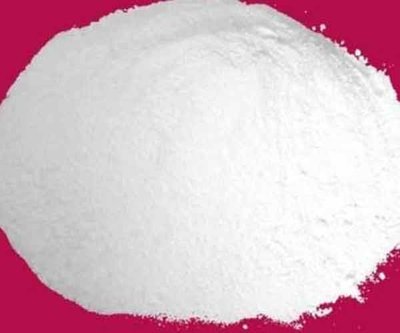
g/mol and a density of 1.44 g/cm3. Sodium benzoate is a white
particle or crystalline powder with no odor or a slight benzoin
smell. It is highly soluble in water, and its aqueous solution is
slightly alkaline. It is slightly soluble in ethanol, glycerol, and
methanol, and when exposed to air, it absorbs moisture. Reacting
with acid will precipitate benzoic acid, reacting with carbonate
will generate bubbles, and it can also react with alkali and
vitamin C. There are two methods for preparing sodium benzoate in
industry: benzoic acid method and toluene method. Sodium benzoate
is commonly used as a preservative, corrosion inhibitor, etc., and
is widely used in water treatment, food, medicine, and other
fields.
Specifically, corrosion inhibitors are commonly used in the field
of water treatment to protect ferrous metals, but they need to be
used in combination with other water treatment agents; The food
industry is often used for preservation and preservation,
inhibiting microbial growth, maintaining food flavor and nutrition;
In the pharmaceutical field, it is often used as a preservative,
such as syrup, eye drops, etc., to prevent microbial contamination;
In the industrial field, it is often used for corrosion prevention
and stability, and is used in industrial products such as coatings
and plastics.
In addition, benzoic acid and its salts are broad-spectrum
antimicrobial agents, but their antibacterial effectiveness depends
on the pH value of the food. As the acidity of the medium
increases, its bactericidal and bacteriostatic effects increase,
but it loses its bactericidal and bacteriostatic effects in
alkaline media. The optimal pH value for its anti-corrosion is
2.5-4.0.
| product name | Sodium benzoate |
| specificatons | 25kg/bag |
| chemical formula | C7H5O2Na |
| cas number | 532-32-1 |
| EINEC S number | 208-534-8 |
| appearance | White particles or crystalline powder |
Food preservation field
Sodium benzoate belongs to acidic preservatives and has no
bactericidal or bacteriostatic effect in alkaline media. Its
optimal pH for corrosion prevention is 2.5-4.0. Sodium benzoate is
commonly used to preserve highly acidic fruits, berries, fruit
juices, jams, beverage syrups, and other acidic foods, and can be
used in conjunction with low-temperature sterilization methods to
complement each other. The general method of use is to dissolve
sodium benzoate in an appropriate amount of water, then add it to
food and stir evenly.
(1) Beverages: Widely used in acidic beverages such as carbonated
drinks, fruit juice, functional drinks, flavored water, and iced
tea. Sodium benzoate can effectively prevent microbial
contamination, allowing beverages to maintain a longer shelf life
in acidic environments.
(2) Jam and jelly: Sodium benzoate is used to extend the shelf life
of jam and jelly, prevent mold growth, especially when they need to
be stored for a longer period of time after opening.
(3) Pickled foods: such as pickled cucumbers, kimchi, and chili
peppers, sodium benzoate can effectively prevent excessive
fermentation of lactic acid bacteria and other microorganisms in
the food.
(4) Seasoning: Sodium benzoate can ensure that acidic seasonings
such as soy sauce, tomato sauce, salad dressing, and chili sauce do
not spoil during long-term storage.
(5) Baked goods: Sodium benzoate is also used in some baked goods,
such as packaging cakes, pies, and fillings, to prevent products
from spoiling due to microorganisms.
Sodium benzoate is widely used as a preservative in food processing
and preservation, but is limited in use in some countries in
certain foods. Due to its ability to function in a free state in
food, benzoic acid is more effective in strong acid foods. Benzoic
acid is generally used in carbonated beverages, soy sauce, sauces,
candied fruits, and fruit and vegetable drinks. Benzoic acid can be
used together with parabens in soy sauce and beverages to enhance
efficiency. Benzoic acid and sodium benzoate are commonly used to
preserve high acid fruits, jams, beverage syrups, and other acidic
foods. They can be used in combination for low-temperature
sterilization and have a synergistic effect.
Sodium benzoate is generally limited to foods with high protein
content. Sodium benzoate has the same effect on microorganisms as
benzoic acid. However, as a sodium salt, to achieve the same
bactericidal effect as benzoic acid, the required amount of
addition is 1.2 times that of benzoic acid.
Industrial applications
The application of sodium benzoate in the industrial field includes
as a corrosion inhibitor, lubricant additive, and rust inhibitor:
Corrosion inhibitor: used in coolant and antifreeze to prevent
corrosion of metal surfaces.
Lubricating oil and rust inhibitor: As additives, they play a role
in preventing oxidation and rust prevention.
Water treatment field
Sodium benzoate can form a loose anodic corrosion inhibitor film on
ferrous metals, which can bind with nitrite to protect the ferrous
metals. When used as a corrosion inhibitor in the field of water
treatment, it has good corrosion inhibition effect under slightly
acidic conditions and almost no anti-corrosion effect under
alkaline conditions. Usually, sodium benzoate is converted into an
effective form of benzoic acid during use. Often used in
combination with other water treatment agents, it has a synergistic
effect on the main agent. The corrosion inhibition effect is not
high when used alone, with a corrosion inhibition rate of only
20.9% at 500 mg/L. When used in combination with sodium gluconate
at the same total dosage, the corrosion inhibition rate is 93.7%



 Multipurpose Sodium Bicarbonate Baking Soda For PH Control Cleaning Agent Fire Suppressant

