The Feature-Benefit NarrativeFive Engineering Advantages of PCD Milling Cutters 1. Surface Integrity Straight Off the Tool When every micron counts, the cutting edge makes the difference.
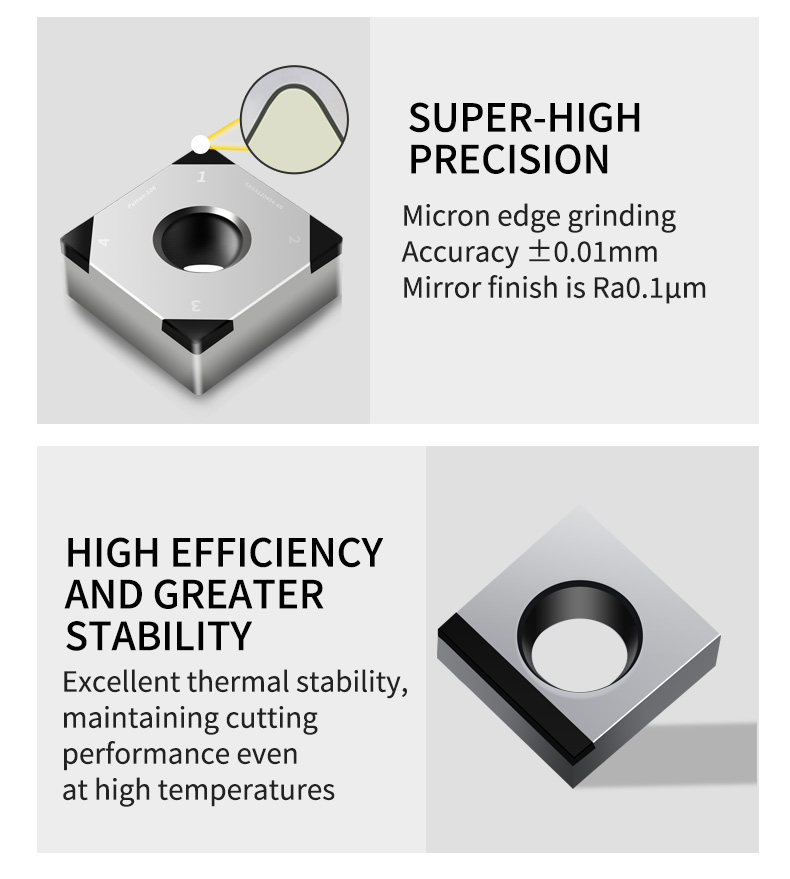
The PCD tool's diamond cutting surface produces finishes tight
enough to skip secondary operations—fewer stations, faster
throughput, and dimensional results that hold across the entire
production run. Parts come off the machine ready for assembly or
coating. 2. Speed Without Compromise Higher RPM. Faster feed rates. Aggressive depth of cut. PCD tooling
is built to handle these demands without thermal softening or edge
breakdown. The result is shorter cycle times and more parts out the
door per shift, without trading away tool life or part quality.
Aggressive parameters are sustainable, not risky. 3. One Tool, Multiple Geometries Slotting, shoulder milling, profiling, facing—swap the operation,
not the tool family. The same PCD cutter platform adapts across
varied part geometries and workpiece sizes, cutting down on tool
magazine congestion and setup complexity. Fewer tools in the
magazine means faster changeovers and lower inventory carrying
costs. 4. Dry Machining Capable No mist collectors. No coolant concentration checks. No wastewater
handling. PCD's thermal conductivity moves heat into the chip
rather than the tool, enabling effective dry or MQL (minimum
quantity lubrication) machining strategies. Lower consumable costs.
Cleaner shop floor. Smaller environmental footprint. 5. Chip Flow That Keeps the Cut Clear Flute geometry and diamond-edge surface properties work together to
eject chips cleanly from the cutting zone. No re-cutting. No chip
packing in deep pockets. No thermal buildup from clogged flutes.
Just uninterrupted material removal and predictable tool behavior
from first part to last. |