| Sign In | Join Free | My infospaceinc.com |
|
| Sign In | Join Free | My infospaceinc.com |
|
| Categories | Robotic Deburring and Polishing Machine |
|---|---|
| Model Number: | KS |
| Polishingmethod: | Buffing wheel with polishing compound |
| Certification: | ce |
| Function: | Automated deburring and polishing of metal parts |
| MOQ: | 1 |
| Delivery Time: | 2.5 months |
| Materialcompatibility: | Suitable for steel, aluminum, stainless steel, and other metals |
| Safetyfeatures: | Emergency stop, safety light curtains, protective enclosure |
| Price: | 65000-85000 |
| Software: | Compatible with major CAD/CAM software for programming |
| Payment Terms: | T/T |
| Robottype: | 6-axis articulated robot |
| Supply Ability: | 5sets per month |
| Automationlevel: | Fully automated |
| Productname: | Robotic Deburring and Polishing Machine |
| Brand Name: | Kingstone |
| Cycletime: | Depends on part complexity, typically 30-120 seconds |
| Packaging Details: | wooden cases |
| Dimensions: | Varies by model, typically 2000mm x 1500mm x 1800mm |
| Place of Origin: | China |
| Workingarea: | Customizable based on part size |
| Company Info. |
| Zhejiang Kingstone Robot & Technology Co., Ltd. |
| Verified Supplier |
| View Contact Details |
| Product List |
The Improve Component Reliability Robotic Deburring and Polishing Machine for Aero Engine Parts is developed for aerospace manufacturers requiring controlled finishing of high-value engine components.
Aero engine parts often feature complex geometries and demanding surface requirements. Burrs, sharp transitions, machining marks, or uncontrolled finishing can affect downstream inspection and component quality.
Robotic deburring and polishing provides a programmable approach to processing defined surfaces and edges while supporting a more controlled manufacturing workflow.

For critical aerospace components, removing too much material can be as undesirable as leaving burrs behind.
The robotic process can be developed around defined finishing limits to perform operations such as:
Tooling and process parameters can be matched to the component material and engineering requirements.
The system can be evaluated for suitable components including:
Because aerospace components vary significantly, each application should be evaluated according to drawings, permitted processing areas, tolerances, and surface specifications.
Manual finishing of critical components can introduce variation in tool angle, processing duration, and material removal.
Robotic automation allows key process elements to be defined within a controlled program.
Depending on system configuration, manufacturers can manage:
| Processing Area | Tool Selection | Robot Path | Process Parameters | Inspection |
|---|
This provides a stronger foundation for developing repeatable finishing procedures and documenting approved manufacturing processes.
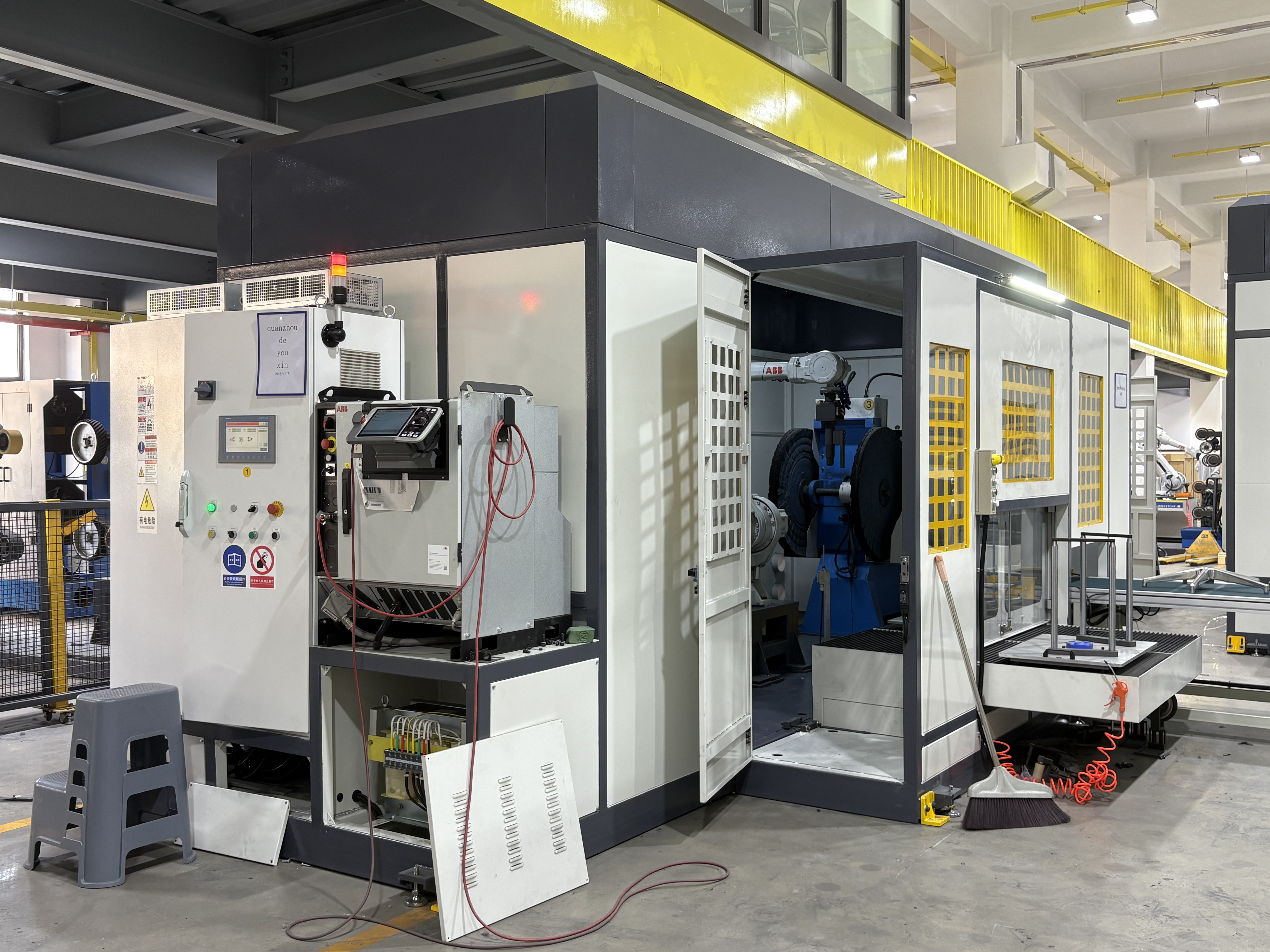
Robotic finishing can be positioned between precision manufacturing and inspection stages.
A typical workflow may include:
| Machining | Robotic Deburring / Polishing | Cleaning | Dimensional Inspection | Surface Inspection | Approved Downstream Process |
|---|
For aerospace production, the robotic process should be validated against the applicable drawing, specification, quality plan, and customer requirements.
Where required, process monitoring and production data functions can also be considered to support traceability.
Robotic finishing can help create a more controlled and repeatable deburring or polishing process. Overall component reliability, however, depends on the complete engineering design, manufacturing, inspection, material, and qualification process.
Suitable blade and vane applications can be evaluated according to geometry, material, permitted processing areas, and surface requirements.
The process can use defined tool paths, controlled parameters, suitable tooling, and application-specific process strategies. Final compliance should be verified through the required inspection procedure.
Please provide component drawings or 3D models, material specification, permitted finishing areas, burr condition, surface requirements, dimensional tolerances, inspection requirements, and production volume.
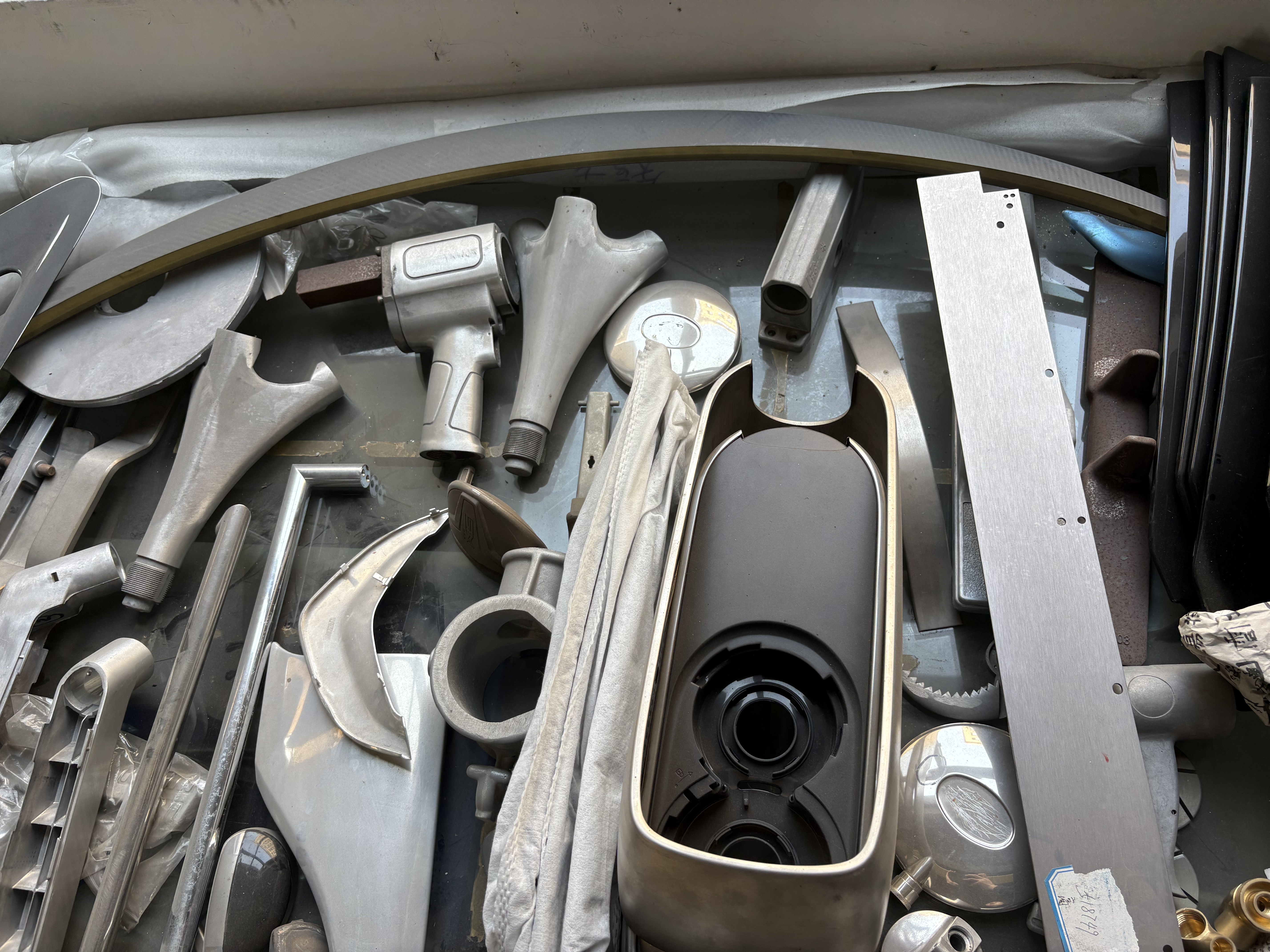
For aero engine manufacturing, finishing is not simply about creating a smoother-looking component. The process must respect component geometry, surface requirements, and engineering limits.
The Robotic Deburring and Polishing Machine for Aero Engine Parts provides a programmable platform for developing controlled finishing processes for suitable aerospace components.
Send us your component drawing, material, processing areas, and surface specifications for a technical application evaluation.

|
 Automatic Robot Polishing Machine for Sink Basin Stainless Steel Surface Grinding Buffing Line
Robotic Polishing Machine for Golf Head Sports Goods Automatic Metal Buffing Grinding Equipment
Robot Buffing Machine for Aluminum Profile Window Door Automatic Surface Grinding Polishing Cell
Full Automatic Robot Polishing Grinding Machine Metal Surface Buffing Sanding Production Line Supplier
Robotic Polishing Machine for Hand Tool Wrench Plier Automatic Metal Grinding Buffing Workstation
Force Controlled Robotic Deburring and Polishing Machine for Automotive Parts
CNC Controlled Deburring And Polishing Machine 6 Axis For Hydraulic Components
Flexible Robotic Deburring and Polishing Machine for Die Cast Housing
Automatic Robotic Deburring And Polishing Machine for Three Way Pipe Connector
Fully Automatic Robotic Deburring and Polishing Machine for Aluminum Wheel Hub
Automatic Robot Polishing Machine for Sink Basin Stainless Steel Surface Grinding Buffing Line
Robotic Polishing Machine for Golf Head Sports Goods Automatic Metal Buffing Grinding Equipment
Robot Buffing Machine for Aluminum Profile Window Door Automatic Surface Grinding Polishing Cell
Full Automatic Robot Polishing Grinding Machine Metal Surface Buffing Sanding Production Line Supplier
Robotic Polishing Machine for Hand Tool Wrench Plier Automatic Metal Grinding Buffing Workstation
Force Controlled Robotic Deburring and Polishing Machine for Automotive Parts
CNC Controlled Deburring And Polishing Machine 6 Axis For Hydraulic Components
Flexible Robotic Deburring and Polishing Machine for Die Cast Housing
Automatic Robotic Deburring And Polishing Machine for Three Way Pipe Connector
Fully Automatic Robotic Deburring and Polishing Machine for Aluminum Wheel Hub

